
Popular Tree Removal Tools and Equipment for Every Job
Discover essential products that help you handle tree removal projects with confidence, whether for small yard work or large-scale jobs.
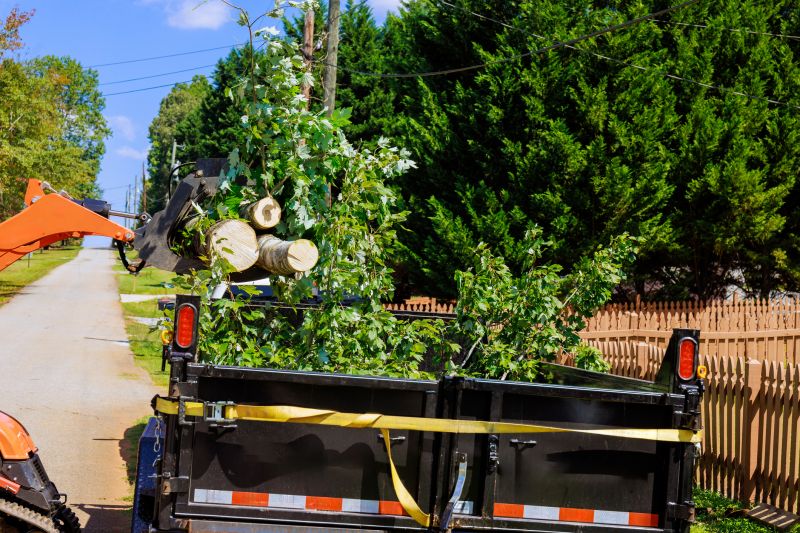 Tree removal is a task that often requires specialized equipment and careful planning to ensure safety and efficiency. Whether managing overgrown branches, fallen trees, or hazardous limbs, the right tools can make a significant difference. In Stone Mountain, GA, where mature trees are common, having access to quality products designed for tree removal can help both professional arborists and homeowners handle these tasks effectively. Proper equipment not only facilitates the removal process but also minimizes risks associated with falling debris and equipment mishandling.
Top Overall Option
Heavy-Duty Gas Chainsaw
A versatile and powerful tool designed for demanding tree removal tasks, a heavy-duty gas chainsaw provides the necessary cutting capacity for large limbs and trunks. Its robust motor and durable bar make it suitable for professional use or serious DIY projects. When used with proper safety equipment, it can handle a wide range of tree removal challenges efficiently.
Types of Products For Tree Removals
Chainsaws (Gas and Electric)
Essential for cutting through large branches and trunks, available in various power sources to suit different needs.
Pruning Saws
Ideal for trimming smaller branches and detailed cuts, offering precision in confined spaces.
Pole Saws
Extendable tools that allow for cutting high branches without climbing ladders.
Stump Grinders
Machines designed to grind down remaining stumps after tree removal, facilitating landscape restoration.
Rope and Pulley Systems
Assist in controlling falling limbs and removing heavy sections safely from the ground.
Loppers
Long-handled tools for cutting smaller branches at a distance.
Safety Helmets and Gear
Protective equipment essential for safe operation during tree removal tasks.
Climbing Gear
Harnesses, spikes, and ropes for professional arborists working on large or difficult trees.
Debris Chippers
Tools for converting branches and small logs into mulch for landscape use.
Ladders and Aerial Platforms
Support safe access to high branches for pruning or removal.
Tree Removal Blankets and Tarps
Protect the ground and surrounding property from falling debris during removal.
Cabling and Bracing Equipment
Support weak or damaged trees to prevent unexpected failure during removal.
Popular Choices
Lightweight and easy to handle, suitable for smaller tree trimming and removal tasks.
Hand tools for precise cuts on small branches and detailed pruning.
Convenient for reaching high branches without climbing.
Manual or powered devices for removing or grinding stumps after tree removal.
Protective headgear with added face protection for safety during cutting.
Essential for controlled limb removal and safety in complex tree jobs.
Great for quick trimming of small branches at a distance.
Motorized platforms for reaching high branches safely and efficiently.
Facilitate debris collection and easy cleanup after tree removal.
Help stabilize or support trees during removal or maintenance.
Choosing the appropriate products involves understanding the scope of the removal project, the size and type of trees involved, and the surrounding environment. From handheld pruning tools to heavy-duty chainsaws and lifting equipment, there is a wide range of products tailored to different needs. Safety gear, including helmets, gloves, and eye protection, is equally important to prevent injuries during the process. Investing in reliable, durable tools can enhance safety and efficiency, making tree removal a more manageable task.
When selecting tools for tree removal, consider the power source, weight, and ease of use. Gas-powered chainsaws tend to offer more power for larger trees, while electric models are often lighter and quieter, suitable for smaller limbs. Accessories such as stump grinders and rope pulleys can assist with more complex removals, especially in tight or delicate spaces. Proper maintenance and understanding of each product's capabilities are key to achieving the best results while maintaining safety standards.
In addition to equipment, planning and knowledge about tree removal procedures are vital. Consulting with professionals or researching proper techniques can help prevent accidents and property damage. Whether tackling a small pruning job or a large-scale removal, having the right products on hand is essential for a smooth process. This comprehensive approach ensures that tree removal tasks are completed efficiently, safely, and with minimal disruption to your property.
Key Buying Considerations
- Tree size and diameter: Choose equipment rated for the size of trees you plan to work on.
- Power source: Decide between gas, electric, or battery-powered tools based on mobility and power needs.
- Weight and ergonomics: Lighter tools reduce fatigue and improve control during extended use.
- Safety features: Look for safety guards, anti-vibration handles, and protective gear compatibility.
- Ease of maintenance: Select products with accessible parts and clear maintenance instructions.
- Durability and build quality: Invest in tools made from high-quality materials for longevity.
- Noise levels: Consider quieter options if working in noise-sensitive environments.
- Accessories and attachments: Compatibility with additional tools can expand functionality.
- Storage and portability: Compact and easy-to-store tools are beneficial for transport and storage.
- Budget and warranty: Balance cost with expected durability and available warranties.
- Environmental conditions: Ensure equipment is suitable for outdoor use in various weather conditions.
- Skill level: Match tool complexity with user experience to ensure safe and effective operation.
- Regulations and standards: Verify compliance with local safety and equipment standards.
- Additional features: Consider features like automatic oiling or quick chain tensioning for convenience.