
Optimal Timing for Tree Removals
Tree removals are most effectively performed during specific times of the year to minimize risk and ensure safety. The optimal period typically falls during late winter to early spring, when trees are dormant. This timing reduces the likelihood of disease spread and allows for easier cleanup and regrowth management.
Performing tree removals in the right season can also prevent damage to surrounding vegetation and structures. For example, removing trees during dormancy minimizes stress on the tree and reduces the impact on nearby plants. Understanding seasonal patterns helps in planning and executing removals efficiently.
Ideal for safety and ease of removal, winter is the best season when trees are dormant, reducing the risk of pest spread and making cleanup simpler.
While early spring can be suitable, it is best to avoid removal during the peak of budding to prevent unnecessary stress on remaining trees and plants.
Summer removals are less common due to active growth and higher risk of disease transmission, but may be necessary in emergency situations.
Fall can be suitable for removals before the onset of winter dormancy, but care must be taken to avoid damaging the root system before winter.
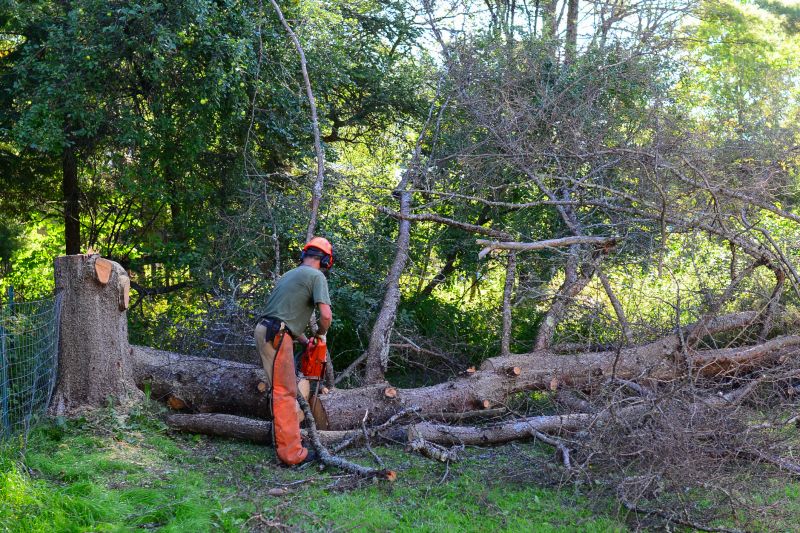
Tree being cut during dormant season with snow in background.
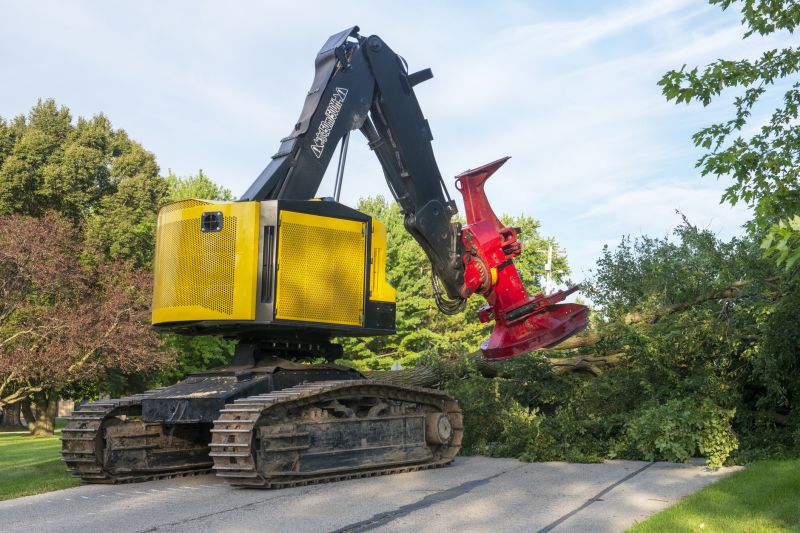
Tree removal equipment in early spring setting.
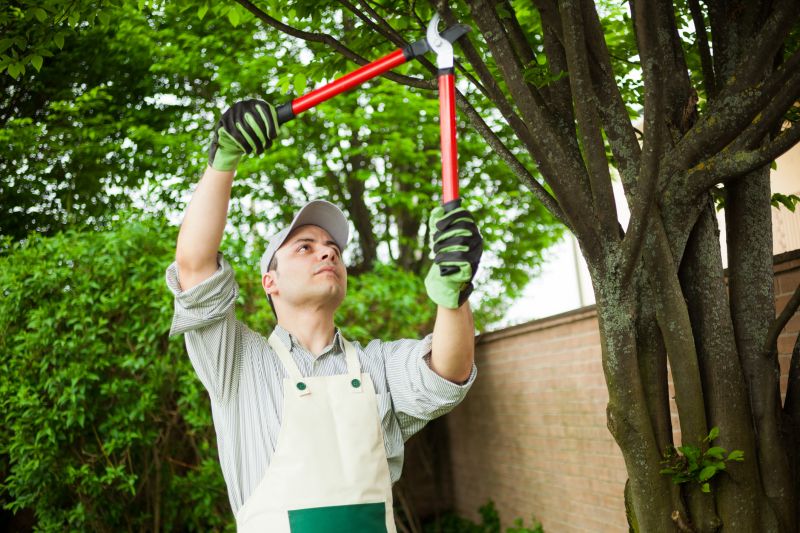
Tree removal in summer with lush foliage.
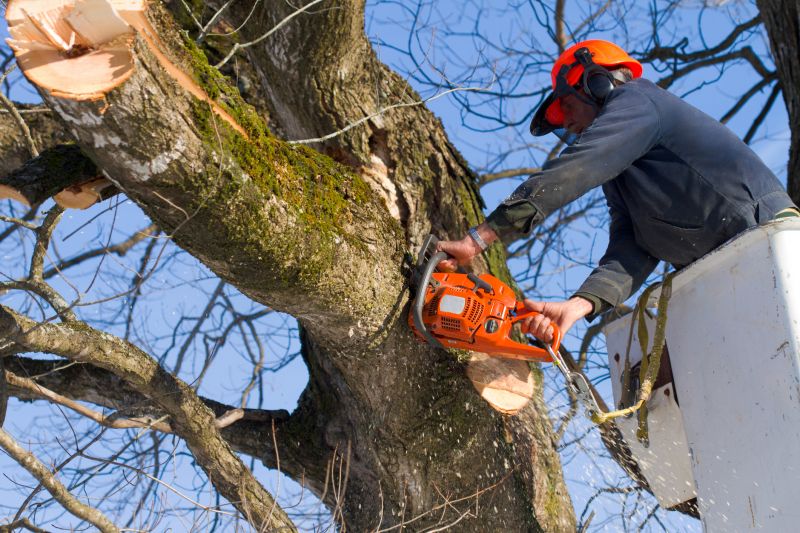
Trees being removed in fall with colorful leaves.
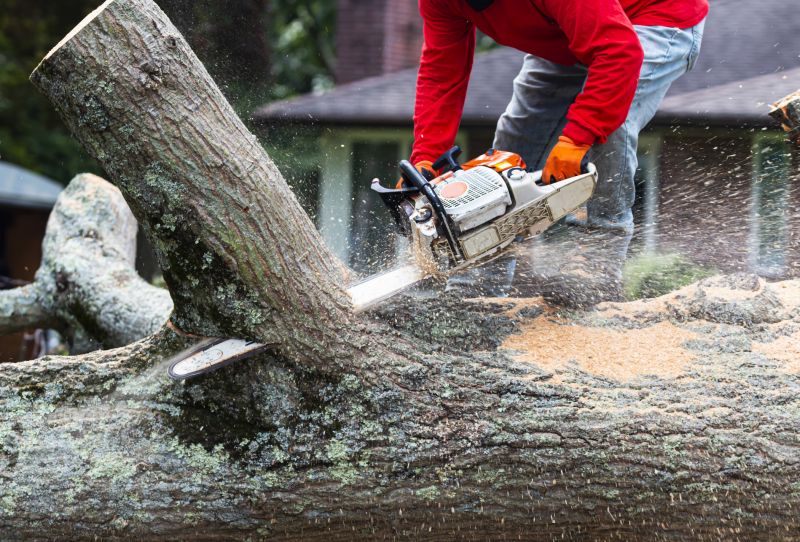
Ways to make Tree Removals work in tight or awkward layouts.
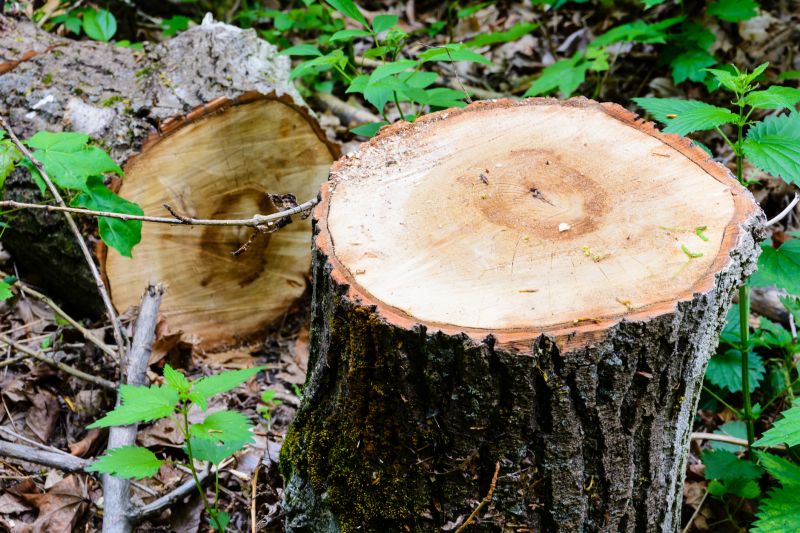
Popular materials for Tree Removals and why they hold up over time.
| Season | Best Practices |
|---|---|
| Winter | Perform removals during dormancy; minimal pest risk; easier cleanup. |
| Spring | Avoid peak budding; plan early before growth begins. |
| Summer | Use in emergencies; higher risk of disease transmission. |
| Fall | Ideal before winter; avoid damaging root systems. |
Tree removals require careful planning to ensure safety and efficiency. The timing of the removal can influence the health of remaining trees and landscape aesthetics. Proper season selection helps reduce potential complications such as pest infestations, disease spread, and damage to surrounding vegetation.
Statistics indicate that scheduling tree removals during dormancy can decrease complications by up to 30 percent. Additionally, performing removals during the optimal season can shorten project duration and improve safety outcomes for workers and property.
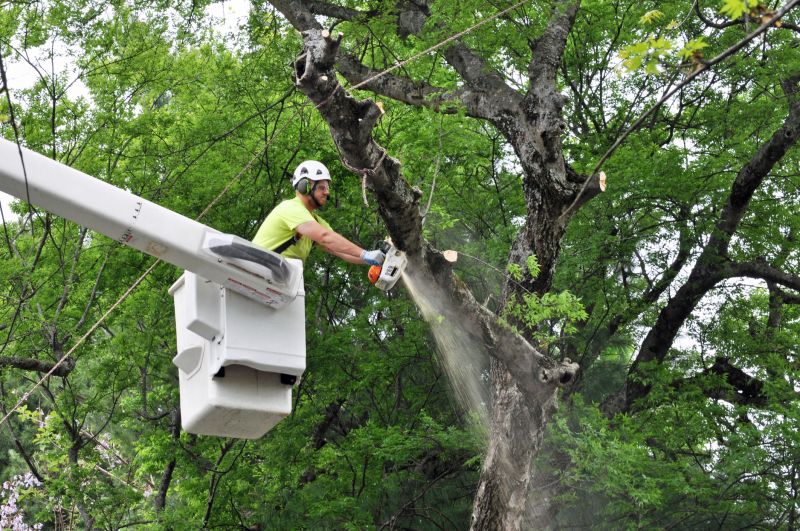
Specialized tools for safe tree removal.
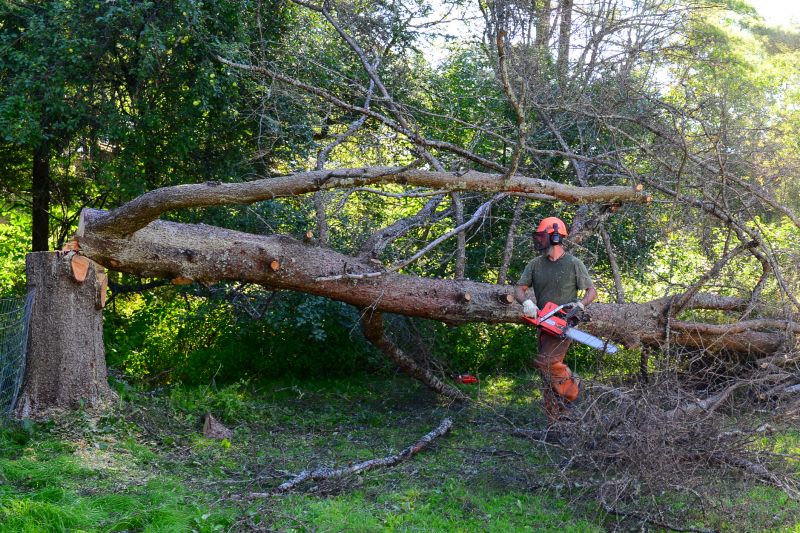
Tree being cut during winter dormancy.
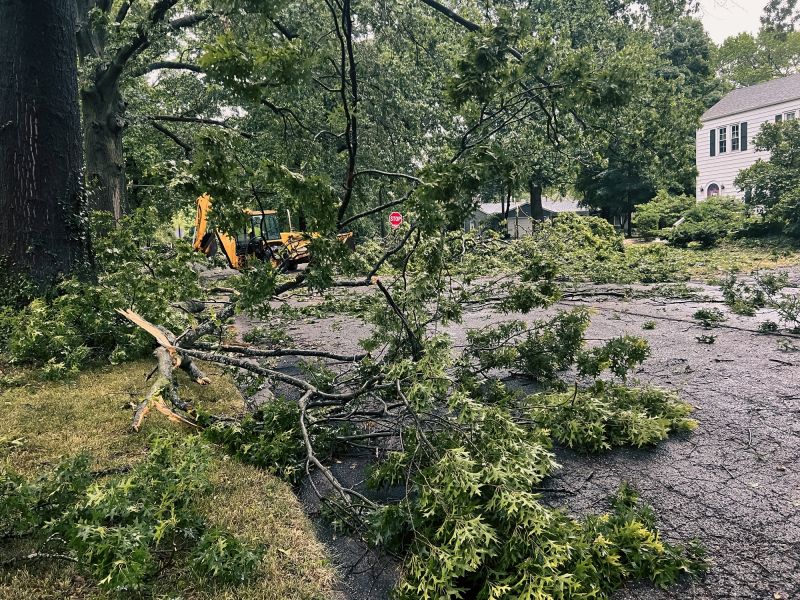
Rapid response during summer storm damage.
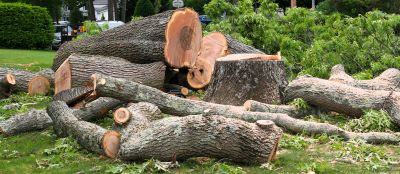
Cleaned up site post-removal with minimal disturbance.
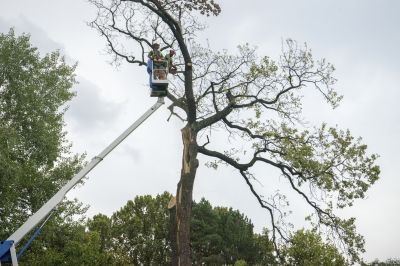
Simple add-ons that improve Tree Removals without blowing the budget.
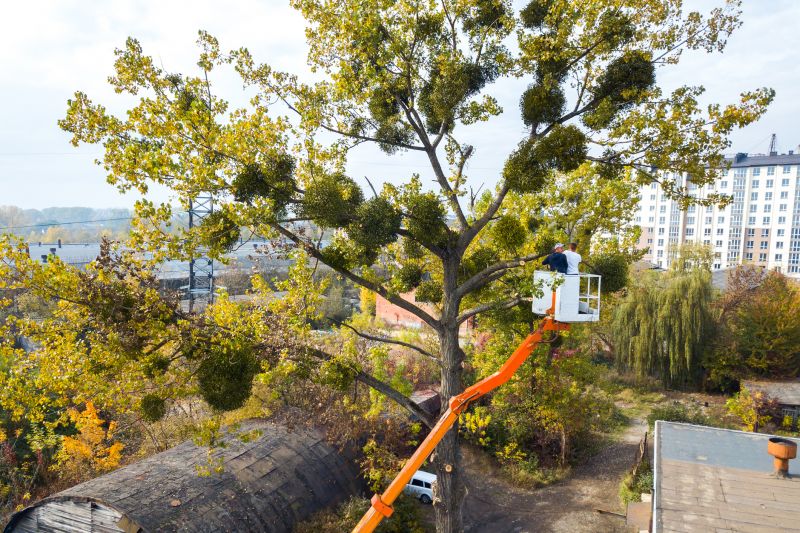
High-end options that actually feel worth it for Tree Removals.
Interested in scheduling a tree removal? Filling out the contact form can provide the necessary information for a timely and efficient service tailored to seasonal best practices in Stone Mountain, GA.